end to end home improvement with bathroom remodeling
Renovate Your Home: Your Handyman's Guide to Impressive Kitchen and Bathroom Overhauls
Transforming a home, particularly kitchens and bathrooms, necessitates careful planning and well-considered choices. Homeowners often face decisions about layouts, materials, and whether to hire professionals or handle projects independently. Each aspect plays a vital role in creating spaces that are both practical and aesthetically pleasing. Understanding these elements can lead to remarkable transformations. The sections below will examine key tips and approaches that can significantly enhance these spaces within the home.
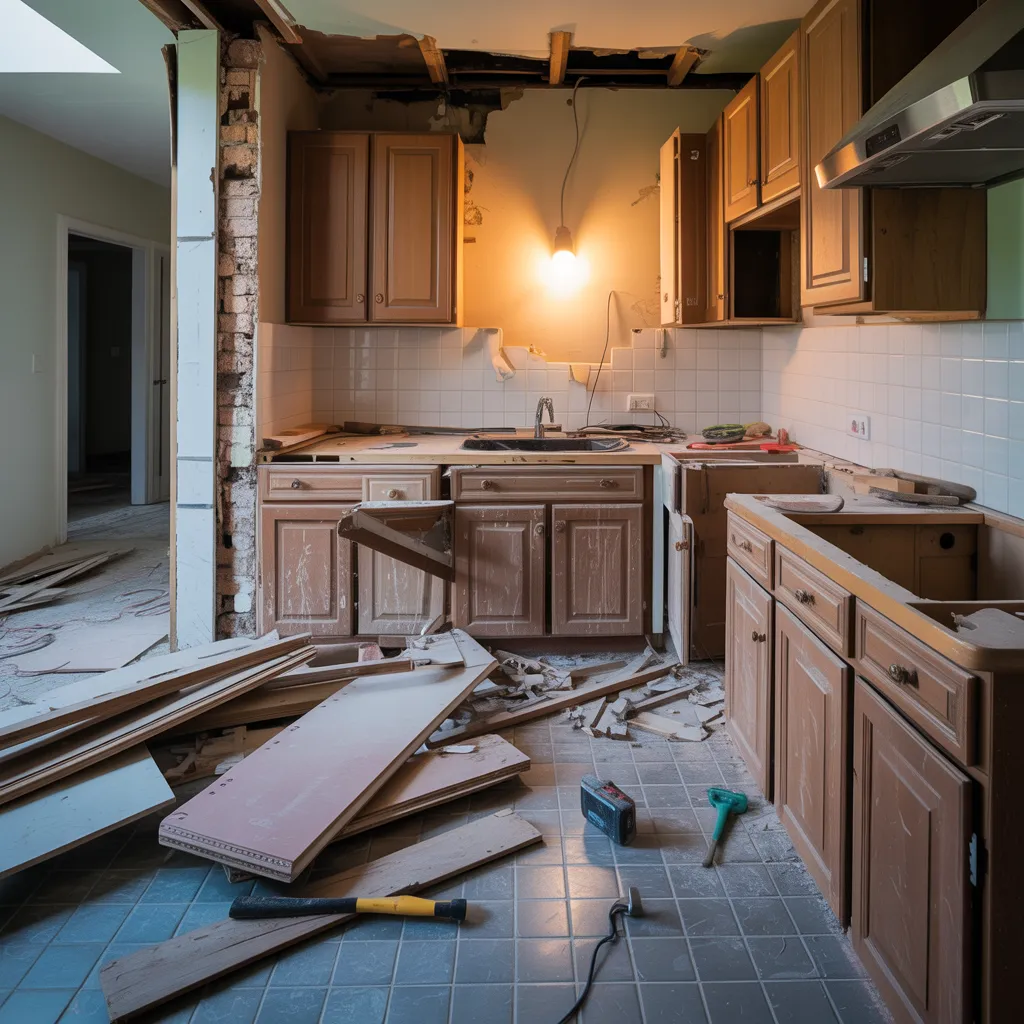
Essential Materials for Your Kitchen and Bathroom Makeover
A variety of critical materials can significantly improve the success of a kitchen and bathroom remodel. High-quality cabinetry makes a notable difference, offering both functionality and aesthetic appeal. Countertops crafted from durable materials such as natural stone or quartz provide a practical yet stylish area, withstanding daily wear and tear.
Additionally, flooring materials like ceramic tiles or high-end vinyl can enhance the room while allowing for effortless cleaning. Wall covering materials, from mosaic to subway tiles, bring personality while safeguarding walls from water damage. Fittings such as faucets and lighting fixtures, should be selected not only for their design but also for their efficiency and longevity.
In terms of paint, high-quality, moisture-resistant options are crucial for kitchens and bathrooms alike. Finally, integrating eco-conscious materials can improve sustainability. By thoughtfully selecting these components, homeowners are able to establish a harmonious and welcoming space that satisfies both practical and visual requirements.
What Is the Best Way to Choose a Layout for Your Kitchen and Bathroom?
What is the best way for homeowners to figure out the perfect layout for their kitchen and bathroom? It all starts with assessing the available space and identifying individual requirements. In kitchens, the "work triangle" principle—linking the sink, stove, and refrigerator—promotes efficient use of space. It is important for homeowners to think about traffic patterns and the positioning of islands or bar seating to improve functionality.
When it comes professional tips to bathrooms, practicality is paramount. Homeowners should evaluate the need for distinct areas, such as sinks and showers, to serve multiple occupants. Optimal fixture placement can maximize space, particularly in smaller areas.
Across both rooms, adequate natural light and proper ventilation must be considered, which can impact the positioning and style of windows. Furthermore, modern design preferences and personal aesthetic should be considered to create a cohesive look. By carefully analyzing these elements, property owners are able to choose arrangements that satisfy both their functional requirements while simultaneously improving the overall look and feel of the space.
DIY vs Hiring a Professional
Figuring out whether to handle home renovations independently or by bringing in professionals can significantly influence the results of a project. Property owners should evaluate their expertise, schedule, and budget prior to making this choice. DIY projects can be cost-effective, allowing individuals to save on labor costs and gain personal satisfaction. However, they require a significant investment of time and may lead to mistakes that can be costly to fix.
By comparison, engaging professionals delivers a elevated standard of competence, effectiveness, and utilization of specialized instruments. Skilled professionals are capable of managing demanding tasks, adhere to building codes, and provide warranties for their work. Ultimately, the choice copyrights on the homeowner's trust in their own skills and the difficulty of the remodeling project. When dealing with modest, basic renovations, a do-it-yourself approach may be adequate, while large-scale projects frequently require expert involvement to achieve optimal outcomes.
Maximize Your Area: Intelligent Layout Tips
In the quest to maximize space, strategic layout choices can greatly enhance a home's livability. By concentrating on smart storage options, promoting effortless flow and practicality, and introducing flexible multi-functional furniture, homeowners can develop a highly functional and organized home. These clever layout approaches not only boost the overall look but also streamline day-to-day routines.
Maximize Storage Solutions
Maximizing storage space is crucial for developing a practical and tidy household. In kitchens, making use of vertical areas with shelves or cabinets fixed to walls can free up valuable counter areas. Installing pull-out drawers or rotating trays within cabinets boosts convenience and functional effectiveness. Within bathroom spaces, over-the-toilet shelves provide extra storage without consuming floor space. Opting for multifunctional furniture, including ottomans equipped with hidden storage areas, helps cultivate a neater living environment. Additionally, employing transparent containers and labels within closets supports consistent order and easy visibility. Through the thoughtful application of these storage strategies, homeowners are able to turn chaotic spaces into well-organized, efficient zones that elevate daily routines. Careful planning not only enhances practicality but also uplifts the general appearance of the home.
Flow and Performance
Creating an optimal level of efficiency and flow within a space is vital for optimizing everyday living. In kitchen design, the work triangle—made up of the refrigerator, stove, and sink—should enable efficient movement, minimizing unnecessary steps during meal preparation. In the same way, in bathrooms, careful placement of fixtures can simplify morning routines. Open layouts can foster a sense of spaciousness, while defined zones can increase practicality. For a practical example, incorporating islands in kitchens not only supplies additional counter space but also promotes social interaction. In bathrooms, assess the accessibility of storage and fixtures, verifying they address user needs. At its core, focusing on flow and functionality converts areas into practical environments, boosting both comfort and efficiency in daily tasks.
Multi-Use Furniture Ideas
While many might overlook the significance of multifunctional furniture, it acts as a revolutionary tool in space management. This creative strategy empowers homeowners to fully utilize restricted areas, particularly within kitchens and bathrooms where space is often at a premium. To illustrate, a dining table that also functions as a work area can enhance productivity, while ottomans with hidden storage can reduce disorganization. Murphy beds convert spare rooms into practical areas during the day, and wall-mounted shelves can serve both decorative and storage purposes. By integrating these adaptable furniture items, individuals can design spaces that are not only visually appealing but also highly functional. Embracing multi-use furniture is a brilliant solution for boosting practicality and coziness in any home renovation.
Easy Design Hacks to Refresh Your Kitchen and Bathroom
Revitalizing a kitchen or bathroom can be achieved through easy design techniques that make a notable impact. Repainting cabinet surfaces, replacing hardware, and integrating eye-catching backsplashes are reliable strategies to enhance these key spaces. These improvements not only elevate visual appeal but also improve efficiency and overall enjoyment.
Elevate Cabinetry with a Fresh Coat of Paint
Revamping kitchen and bathroom spaces can be as effortless as refreshing your cabinets with a fresh coat of paint. This simple approach can remarkably shift the ambiance of these areas without significant overhauls. Opting for the right hue is crucial; softer tones can generate a spacious feeling, while rich tones bring energy and distinction. Proper preparation is essential—cleaning, priming, and sanding the areas secures superior bonding and a refined outcome. Opting for high-quality paint engineered for cabinet use increases durability and promotes easy cleaning. Approaches including distressing and glazing can introduce charm, elevating the overall design. By focusing on cabinetry, homeowners can achieve significant visual impact, making their bathrooms and kitchens feel revitalized and appealing.
Upgrade Hardware Gracefully
A few simple updates to hardware can transform the look of these essential spaces without a full renovation. Replacing outdated drawer pulls and cabinet knobs for stylish new choices can produce a revitalized appearance. Selecting finishes such as brushed nickel or matte black adds a contemporary touch, while aged brass can create a traditional appeal. Moreover, updating faucet handles can invigorate sinks, making them more functional and stylish. For a unified appearance, matching the hardware across every element is key, including cabinets and appliances. Including one-of-a-kind designs, such as handcrafted elements or geometric patterns, can additionally bring individuality. Ultimately, these upgrades to hardware provide an affordable method to enhance the beauty and functionality of any space.
Integrate Stylish Backsplashes
While a complete kitchen or bathroom renovation can be intimidating, installing attractive backsplashes presents an easy approach to upgrade the room. Backsplashes serve both functional and aesthetic purposes, protecting walls from moisture while adding visual interest. Homeowners can choose from various materials, including ceramic tiles, glass, and natural stone, enabling artistic customization. Colors, patterns, and textures may be mixed to customize the appearance, allowing for seamless coordination with current decor. For a quick update, peel-and-stick options are available, delivering a cost-effective and reversible choice. Additionally, using a bold design can create a focal point, capturing attention and elevating the overall atmosphere. Through careful consideration, backsplashes can convert everyday spaces into elegant sanctuaries.

Maintenance Tips to Keep Your New Space Looking Great
To ensure that a recently renovated space remains vibrant and inviting, routine upkeep is necessary. In kitchen spaces, routine cleaning of countertops and appliances prevents the buildup of grime and stains. Utilizing mild cleaning solutions helps maintain surfaces without causing damage. Within bathroom areas, regular inspection of grout and caulking helps avoid mold development and moisture damage; refreshing the caulk when necessary is recommended.
Moreover, checking for leaks under sinks and around fixtures ensures that any complications are dealt with without delay. Using strainers to keep drains free of debris helps prevent blockages and preserve proper function.
For both spaces, periodic deep cleaning of cabinets and shelves not only boosts their aesthetic but also increases their durability. Finally, implementing a seasonal checklist for maintenance tasks can maintain the spaces in optimal shape. By adhering to these guidelines, homeowners can ensure their refreshed kitchens and bathrooms look as impressive as the moment they were done.
Common Questions and Answers
What Are the Latest Trends in Kitchen and Bathroom Design?
Modern advancements in kitchen and bathroom design prioritize sustainable solutions, natural materials, open spaces, and smart technology. Minimalist fixtures, bold colors, and multifunctional layouts further elevate aesthetics while optimizing functionality for contemporary living.
How Can I Keep My Renovation Within Budget?
To keep costs under control during renovations, homeowners should concentrate on necessary upgrades, establish a thorough plan, define a practical budget, record costs consistently, and explore DIY alternatives for minor tasks to minimize costs effectively.
Which Permits Do I Need When Remodeling My Kitchen or Bathroom?
When remodeling a kitchen or a bathroom, you will typically need electrical permits, plumbing permits, and building permits. Rules and requirements vary from one location to another, so checking local regulations and consulting with officials remains critically important prior to beginning any project.
What Is the Average Duration of a Kitchen or Bathroom Makeover?
A common kitchen or bathroom renovation typically takes between 4 to 8 weeks, subject to the scope of work, materials selected, and the availability of contractors. Proper planning and scheduling can help secure a more seamless renovation experience.
What Are My Options for Old Fixtures and Materials?
Aging fixtures and materials can be repurposed, given away, or recycled. Numerous local charitable organizations welcome usable items, while recycling facilities process materials such as metals and plastics. Selecting environmentally friendly alternatives supports sustainability and minimizes landfill waste.